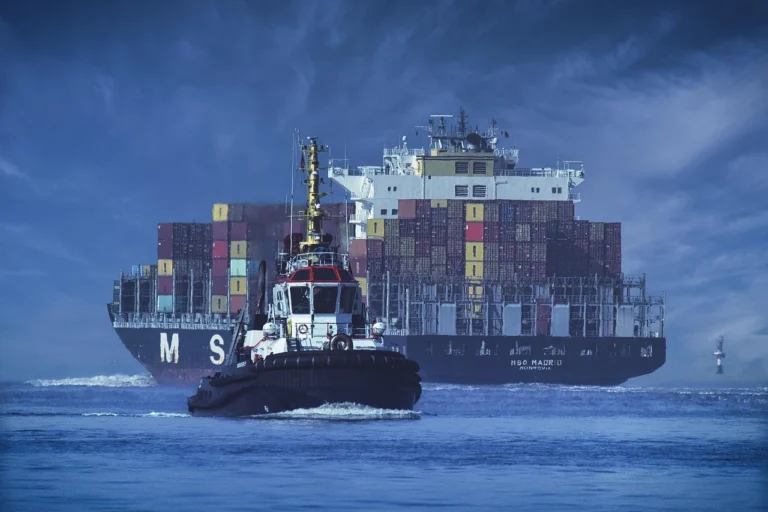
Global Trade Corridors 2026
Table of Contents
- Supply Chain Realignment and Capital Allocation
- Maritime Trade Routes and Choke Point Vulnerabilities
- The Red Sea and Suez Canal Corridor
- The Panama Canal and Water Stress Constraints
- Nearshoring Strategies and Regionalization Dynamics
- Geoeconomic Fragmentation and Trade Policy Risks
- Comparative Analysis of Structural Trade Corridors
- Technological Integration and Trade Digitization
- Frequently Asked Questions
- Question: How are institutional investors adjusting their portfolios in response to geoeconomic fragmentation?
- Question: What role do alternative land routes play when traditional maritime channels are disrupted?
- Question: How do supply chain realignments impact corporate balance sheets and working capital management?
- Question: What are the primary financial risks associated with climate-induced disruptions at maritime choke points?
- Conclusion and Future Outlook
11 min read
The architecture of international commerce is undergoing its most profound structural transformation in nearly a century, forcing institutional allocators and corporate treasurers to re-evaluate the resilience, velocity, and capital intensity of Global Trade Corridors. As geopolitical friction, industrial policy interventions, and technological advancements converge, the traditional optimization models prioritizing pure cost minimization have been irrevocably superseded by imperatives centered on security, redundancy, and regulatory compliance. Global corporations can no longer rely on frictionless maritime transit across contested straits or assume uninterrupted access to deep-water logistical hubs without factoring in systemic state-level interference. This macroeconomic shift alters corporate balance sheets, modifies capital expenditure allocations toward physical infrastructure resilience, and redefines how sovereign entities secure critical inputs ranging from semiconductor components to transitional energy minerals. To navigate this high-stakes environment, capital allocators must examine the underlying mechanics driving supply chain realignment, infrastructure bottlenecks, and structural shifts in maritime choke points across both developed and emerging markets, ensuring that fixed-asset investments and working capital deployments withstand acute systemic volatility.
Supply Chain Realignment and Capital Allocation
The contemporary corporate treasury must navigate an industrial landscape defined by active de-risking rather than passive globalization. For decades, foreign direct investment flowed predominantly into hyper-concentrated manufacturing clusters located in East Asia. Today, corporate boards are dispersing operational risk across multiple jurisdictions through strategies such as friendshoring and dual-sourcing models. This transition requires significant capital outlays to establish parallel manufacturing ecosystems. According to recent research published by international trade monitors, industrial capital expenditure directed toward secondary manufacturing hubs has risen dramatically, shifting the geographical distribution of corporate debt and equity issuance as firms seek geographic insulation.
Financial analysts tracking manufacturing indices observe that capital expenditures are increasingly front-loaded. Corporations are willing to absorb higher operational unit costs in exchange for long-term supply predictability. This structural shift impacts working capital management. Inventory-to-sales ratios, which plummeted during the era of just-in-time manufacturing, are stabilizing at elevated plateaus as firms maintain larger buffer stocks of critical intermediary goods. Furthermore, institutional investors must assess how debt-servicing capabilities are affected by these capital-heavy transitions, particularly for mid-cap industrial firms that lack the balance-sheet depth of multinational conglomerates. When corporate entities reallocate funds toward redundant production lines, free cash flow metrics experience short-term compression, altering dividend payout capacities and credit ratings across industrial sectors.
Beyond physical plant construction, capital allocation strategies now incorporate comprehensive geographic risk premiums. Corporate financial officers are utilizing advanced econometric modeling to quantify the probability of localized disruptions, adjusting hurdle rates for projects located in volatile jurisdictions. This rigorous quantitative approach ensures that projected returns on invested capital adequately compensate for potential expropriation risks, currency devaluation, and sudden trade embargoes. Consequently, equity research analysts are penalizing firms that maintain highly vulnerable, single-node supply chains while rewarding agile enterprises demonstrating structural flexibility and robust balance-sheet liquidity.
Maritime Trade Routes and Choke Point Vulnerabilities
Despite the rise of land bridges and localized manufacturing, maritime pathways remain the lifeblood of international shipping, carrying over eighty percent of global merchandise volume by weight. However, the physical security and operational continuity of these maritime highways are increasingly compromised by regional conflicts, climate-induced environmental constraints, and maritime piracy. The financial impacts of these disruptions are immediate, manifesting as volatile freight rate indices, extended transit times, and surging marine insurance premiums.
The Red Sea and Suez Canal Corridor
The Bab el-Mandeb strait and the Suez Canal historically accounted for approximately twelve percent of global trade volume, serving as the primary commercial artery connecting Asian manufacturing centers with European consumer markets. Geopolitical instability in the region has forced container liners to circumnavigate the African continent via the Cape of Good Hope. This diversion adds approximately ten to fourteen days to standard transit schedules, increases bunker fuel consumption exponentially, and tightens effective global shipping capacity. Institutional asset managers specializing in maritime logistics have noted that this structural capacity absorption has kept charter rates elevated relative to pre-pandemic baselines, directly impacting inflationary pressures in import-dependent economies.
The financial consequences extend deeply into corporate earnings reports. Importers face severe margin compression as container shipping costs spike unpredictably, forcing retail and industrial entities to either absorb the expenses or pass them on to end consumers, risking demand destruction. Furthermore, trade finance providers must manage increased credit risks associated with delayed cargo arrivals, as letters of credit and commercial loans depend upon predictable inventory delivery timelines to maintain adequate collateral coverage.
The Panama Canal and Water Stress Constraints
In the Western Hemisphere, the Panama Canal serves as a vital logistics link connecting the Atlantic and Pacific basins. Severe, prolonged droughts driven by shifting climatic patterns have historically restricted draft levels and daily vessel transits through the canal locks. These capacity reductions have forced operators to offload cargo onto rail networks—the so-called land bridge across North America—or accept lengthy delays. Corporate treasury teams managing trans-Pacific supply chains must account for these environmental vulnerabilities when budgeting for seasonal inventory surges, as unexpected canal restrictions can strand millions of dollars of goods in transit.
Insurance underwriters and risk-management officers are currently repricing commercial risk to account for chronic hydrological volatility in Central America. Shippers utilizing container vessels must bid competitively in auction slots to secure passage during low-water periods, driving up operating expenditures. This dynamic illustrates how climate-driven environmental factors directly translate into corporate financial liabilities, necessitating sophisticated hedging strategies and multi-modal logistics planning.
Nearshoring Strategies and Regionalization Dynamics
As long-haul logistics become increasingly unpredictable, multinational corporations are accelerating nearshoring and friendshoring initiatives. This involves relocating production facilities and assembly operations closer to final consumer markets or into politically aligned partner nations. In North America, this trend manifests as an industrial renaissance along the United States-Mexico border and within domestic manufacturing corridors. Similarly, European industrial conglomerates are redirecting investments toward Central and Eastern Europe, as well as North Africa, to shorten lead times and insulate their production lines from Asian trade shocks.
This regionalization is not merely a logistical adjustment; it is a profound macroeconomic realignment. Developing nations positioned strategically along these emerging corridors are experiencing surges in foreign direct investment, infrastructure modernization, and domestic job creation. However, these destination markets often face structural hurdles, including skilled labor shortages, inadequate power grid capacity, and less mature regulatory frameworks. Institutional investors must carefully weigh the growth potential of these emerging corridors against local execution risks and currency volatility.
From a commercial real estate perspective, the demand for industrial warehousing, distribution centers, and light-manufacturing parks has surged in nearshore locations. Real estate investment trusts specializing in industrial properties have reported record occupancy rates and rising rental yields, driven by tenants seeking secure, regionalized storage solutions. Capital allocators view these physical assets as essential defensive holdings capable of generating stable cash flows even amid broader macroeconomic turbulence.
Geoeconomic Fragmentation and Trade Policy Risks
The erosion of multilateral trade agreements governed by international regulatory bodies has given way to a fragmented global economy characterized by unilateral tariffs, export controls, industrial subsidies, and economic sanctions. This geoeconomic fragmentation introduces a complex layer of regulatory risk for multinational enterprises. Compliance departments must constantly monitor shifting sanctions lists, dual-use technology export bans, and domestic content requirements tied to government subsidy programs such as the CHIPS Act and the Inflation Reduction Act.
From a portfolio management perspective, this fragmentation creates market inefficiencies that astute investors can exploit, while simultaneously introducing tail risks that can devastate unhedged positions. Corporations that fail to diversify their regulatory exposure face severe penalties, asset freezes, or sudden exclusion from lucrative consumer markets. Consequently, enterprise risk management frameworks now incorporate geopolitical stress testing alongside traditional financial stress tests, simulating the financial impact of sudden trade embargoes or retaliatory tariffs.
Sovereign bond markets are also reacting to this bifurcated trade architecture. Countries implementing aggressive industrial policies often experience fiscal expansion financed through sovereign debt issuance, impacting national credit profiles. Investors holding international debt must evaluate how protectionist measures influence sovereign credit default swap spreads and currency stability across both advanced economies and emerging markets.
Comparative Analysis of Structural Trade Corridors
To evaluate the multifaceted risk landscape confronting international commerce, the table below compares major trade corridors, highlighting their primary structural characteristics, key risks, and strategic institutional responses for market participants.
| Trade Corridor | Primary Geographic Scope | Key Structural Risks | Strategic Institutional Response |
|---|---|---|---|
| Trans-Pacific Maritime Route | Asia-Pacific to North America / Europe | Geopolitical tensions, naval choke points, port labor disputes | Diversification to secondary ports, intermodal rail optimization |
| Trans-Siberian Land Bridge | East Asia to Western Europe | Sanctions compliance, regional conflict, secondary tariff risks | Suspension of transit utilization, pivot to maritime alternatives |
| Nearshore North American Corridor | Mexico / Central America to United States | Infrastructure bottlenecks, security concerns, skilled labor limits | Targeted private equity investments in logistics and industrial real estate |
| Euro-Mediterranean Axis | Southern Europe, North Africa, Middle East | Suez Canal disruptions, climatic water stress, political instability | Dual-sourcing through Eastern European hubs, multimodal transport integration |
Technological Integration and Trade Digitization
The modernization of commercial corridors relies heavily on the adoption of advanced digital infrastructure. Paper-based bills of lading, manual customs declarations, and fragmented communication channels are rapidly being replaced by blockchain-enabled documentation platforms, Internet of Things tracking sensors, and automated customs clearance protocols. These technologies reduce administrative friction, lower transaction costs, and provide real-time visibility across complex, multi-tier supply chains.
For corporate treasurers, digitization enhances working capital visibility by unlocking trapped liquidity through automated supply chain finance solutions. When shipment status, customs clearance, and inventory receipt are verified instantly via secure digital ledgers, financial institutions can release milestone payments with greater confidence. This technological integration not only accelerates velocity but also fortifies compliance audit trails, ensuring that firms can prove the origin of their raw materials and verify adherence to international labor and environmental standards.
Venture capital and private equity investors are actively channeling funds into enterprise software firms specializing in supply chain visibility and customs automation. These technology-driven solutions offer high-margin software-as-a-service revenue models that appeal to institutional portfolios seeking exposure to structural efficiency gains. As regulatory compliance burdens increase, the demand for sophisticated trade compliance software will remain a secular growth driver.
Frequently Asked Questions
Question: How are institutional investors adjusting their portfolios in response to geoeconomic fragmentation?
Answer: Institutional allocators are pivoting capital away from hyper-concentrated manufacturing economies toward diversified regional hubs. This involves increasing allocations to private equity and infrastructure funds focused on nearshoring logistics, domestic warehousing, and local energy transition projects while hedging against regulatory and tariff volatility.
Question: What role do alternative land routes play when traditional maritime channels are disrupted?
Answer: Alternative land routes, such as rail networks and intermodal corridors, serve as tactical workarounds during acute maritime crises. However, their total cargo capacity is typically a fraction of maritime shipping volumes, and they often encounter geopolitical sanctions, regulatory hurdles, and border clearance delays that limit their scalability for bulk commodities.
Question: How do supply chain realignments impact corporate balance sheets and working capital management?
Answer: Realigning supply chains requires substantial upfront capital expenditures for new facilities and dual-sourcing infrastructure. Concurrently, corporations are shifting away from lean, just-in-time inventory models toward holding larger safety stocks, which ties up working capital but protects operations against sudden supply shocks.
Question: What are the primary financial risks associated with climate-induced disruptions at maritime choke points?
Answer: Climate-induced phenomena, such as severe droughts affecting canal water levels or extreme weather events damaging port infrastructure, lead to capacity constraints, extended transit times, volatile freight spot rates, and surging marine insurance premiums. These factors introduce significant cost unpredictability for import-dependent enterprises.
Conclusion and Future Outlook
The global economy has entered a permanent transitional phase where resilience, strategic autonomy, and technological agility dictate corporate and national success. As traditional pathways face mounting geopolitical and environmental pressures, the ongoing reconfiguration of international exchange will continue to reshape asset valuations, industrial real estate demand, and corporate financial strategies. Institutional stakeholders who proactively integrate geopolitical stress testing, technological transparency, and structural redundancy into their operational frameworks will successfully navigate this complex commercial landscape.
Looking forward, capital allocators must monitor key forward-looking variables, including shifts in international trade agreements, the pace of port automation, sovereign debt trajectories in nearshore manufacturing hubs, and hydrological forecasts affecting vital canal infrastructure. Entities that treat supply chain resilience as an ongoing financial discipline rather than a temporary fix will secure a sustainable competitive advantage in global markets.
Related: Global Logistics Corridors 2026
Recommended: Middle East Sovereign Wealth Funds 2026

About the Author: Iqbal Hossain
Iqbal is the Founder and Lead Strategist of Global Investment Reviews. As a Financial Analyst and Geopolitical Strategist with over 7 years of experience, he specializes in connecting global events with market trends to help investors make informed, long-term decisions.