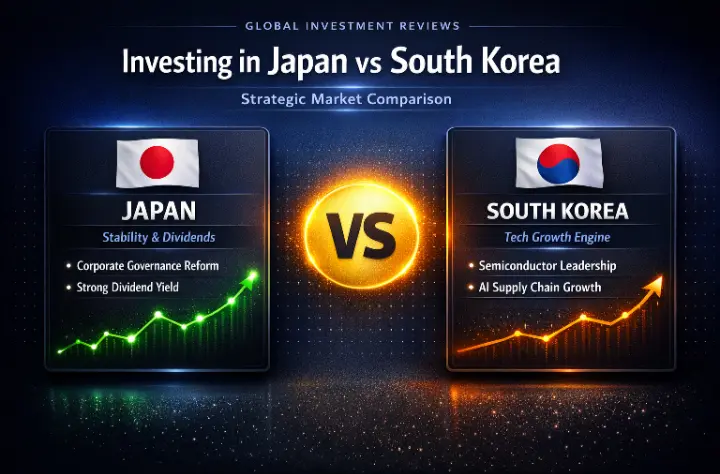
Invest in Japan 2026: Institutional Strategy
Table of Contents
- Macroeconomic Paradigm Shift: Analyzing the japan macro outlook
- Monetary Policy Normalization and FX Dynamics
- Corporate Governance and Shareholder Activism
- Real Estate and Tangible Assets: Navigating the tokyo real estate market
- Prime Commercial and Residential Yields
- Logistics, Data Centers, and Alternative Sectors
- Strategic Inflows and Policy Tailwinds: Tracking fdi in japan 2026
- Government Incentives and Special Economic Zones
- Macroeconomic Metrics and Capital Trajectories
- Sectoral Opportunities for Global Allocators
- Advanced Manufacturing and Semiconductors
- Renewable Energy and Green Transition
- Conclusion and Strategic Recommendations
- Why are institutional investors shifting capital toward Japanese markets?
- How does the normalization of monetary policy impact foreign equity investments?
- What sectors offer the highest growth potential for foreign investors?
- What are the primary risks associated with allocating capital to this region?
7 min read
Invest in Japan 2026: Institutional Strategy is an important topic covered by Global Investment Reviews. For decades, institutional capital viewed the world’s third-largest economy through the narrow lens of secular stagnation, demographic decline, and perpetual deflation; however, a monumental structural shift has altered this narrative, compelling global allocators to seriously evaluate why now is the optimal time to invest in japan. This macroeconomic metamorphosis is driven by the decisive abandonment of negative interest rate policies by the central bank, a corporate governance revolution prioritizing return on equity (ROE) over idle cash hoards, and an inflationary baseline that has finally broken a thirty-year psychological paralysis. For family offices, sovereign wealth funds, and private equity sponsors, Japan no longer represents a value trap or a structural duration risk. Instead, it has re-emerged as a dynamic, high-alpha destination characterized by corporate restructuring, cheap asset valuations relative to Western peers, and a robust political commitment to foreign direct investment. Navigating this landscape requires a sophisticated understanding of shifting monetary regimes, evolving regulatory frameworks, and sector-specific catalysts that are reshaping global asset allocation models.
Macroeconomic Paradigm Shift: Analyzing the japan macro outlook
To comprehend the current investment thesis, institutional allocators must first analyze the fundamental policy shifts occurring within the archipelago. Decades of aggressive monetary easing by the central monetary authority have given way to a cautious, yet definitive, normalization cycle. According to recent data published by the Bank of Japan, wage growth has reached multi-decade highs, creating a self-reinforcing loop between consumption and moderate inflation. This economic revitalization is further reinforced by global assessments and advisory reports regularly updated by the International Monetary Fund, which highlight the country’s resilience amidst external geopolitical volatility.
Monetary Policy Normalization and FX Dynamics
The era of yield curve control and negative interest rates is officially behind us. The monetary authority has transitioned toward a data-dependent tightening path, albeit at a measured pace designed to prevent destabilizing shocks to the domestic bond market. For foreign investors, this normalization impacts currency hedging costs. While a weaker currency historically bolstered export-heavy conglomerates, the modern equity landscape is increasingly driven by domestic pricing power and structural margin expansion.
See More: Vietnam Country Profile and Economic Overview: A Strategic Guide for Investors
Corporate Governance and Shareholder Activism
Perhaps the most potent catalyst for international capital is the Tokyo Stock Exchange’s aggressive push for capital efficiency. Companies trading below book value have been publicly pressured to formulate concrete remediation plans, leading to a historic surge in share buybacks, dividend payouts, and cross-shareholding unwinds. Institutional investors are no longer passive bystanders; activist campaigns are successfully unlocking trapped value, transforming traditional Japanese equities into world-class dividend and growth vehicles.
Real Estate and Tangible Assets: Navigating the tokyo real estate market
Beyond public equities, hard assets continue to attract massive institutional inflows. The prime metropolitan property sector offers a unique blend of capital preservation and attractive net yields, especially when compared to the compressed cap rates observed in London, New York, or Frankfurt.
See More: Is Now the Right Time to Invest in Brazilian Real Estate? A Strategic Analysis for 2026
Prime Commercial and Residential Yields
Despite global tightening cycles, borrowing costs in domestic markets remain extraordinarily accommodative relative to Western counterparts. This positive carry environment has fueled aggressive deal-making by global private equity firms and institutional real estate funds. Prime commercial towers in core districts such as Chiyoda and Minato, alongside high-density residential portfolios in Shibuya, continue to experience robust occupancy rates and sustainable rental growth driven by corporate relocations and urbanization trends.
Logistics, Data Centers, and Alternative Sectors
Beyond traditional office and residential spaces, institutional capital is aggressively targeting alternative real estate verticals. The explosive growth of e-commerce has triggered an insatiable demand for state-of-the-art logistics facilities, while the digitalization of the economy has transformed the archipelago into a primary hub for hyperscale data center development. These asset classes offer inflation-linked cash flows and long-term lease structures that fit cleanly into core-plus and value-add investment mandates.
Strategic Inflows and Policy Tailwinds: Tracking fdi in japan 2026
The government’s long-term economic strategy hinges on significantly expanding inward capital flows. Official state targets aim to double the cumulative stock of inbound capital to JPY 100 trillion, creating an exceptionally welcoming regulatory environment for cross-border mergers and acquisitions.
Government Incentives and Special Economic Zones
To accelerate this transition, national and municipal authorities have introduced a suite of tax incentives, deregulation measures, and subsidies aimed at high-growth sectors such as semiconductors, green energy, and biotechnology. Special economic zones offer streamlined bureaucratic processes and reduced corporate tax burdens, significantly lowering the friction costs of market entry for foreign corporations.
Economic Overview
Macroeconomic Metrics and Capital Trajectories
The following institutional data matrix summarizes key macroeconomic indicators, interest rate trajectories, and capital inflow trends shaping the market.
| Economic Indicator | Current Baseline | 12-24 Month Outlook | Strategic Implications |
|---|---|---|---|
| Policy Interest Rate | 0.25% | 0.50% – 0.75% | Gradual normalization; manageable impact on debt-servicing costs. |
| Core Inflation (CPI) | 2.5% | 2.0% – 2.2% | Healthy pricing power; end of structural deflationary mindset. |
| Average Corporate ROE | 9.5% | 11.0% + | Driven by Tokyo Stock Exchange reforms and buybacks. |
| Inbound Foreign Direct Investment | JPY 45 Trillion | JPY 100 Trillion (Target) | Massive policy tailwinds and streamlined regulatory entry. |
Sectoral Opportunities for Global Allocators
Identifying high-alpha sectors is critical for maximizing risk-adjusted returns in this evolving environment. Institutional portfolios are increasingly weighted toward three primary verticals: advanced manufacturing, enterprise technology, and consumer discretionary luxury brands capitalizing on inbound tourism.
Advanced Manufacturing and Semiconductors
The reshoring and securing of high-tech supply chains have made the nation a focal point for global semiconductor fabrication and advanced robotics. Backed by substantial state subsidies, domestic and joint-venture foundries are scaling operations rapidly, creating exceptional downstream opportunities for specialized equipment manufacturers and materials providers.
Renewable Energy and Green Transition
The decarbonization mandate has opened massive avenues for infrastructure funds. Offshore wind, solar installations, and next-generation grid infrastructure require hundreds of billions in capital expenditure. The government’s Green Transformation (GX) initiative provides predictable regulatory frameworks and revenue guarantees, making green infrastructure an ideal asset class for institutional pension funds seeking long-duration, inflation-protected cash flows.
Conclusion and Strategic Recommendations
The confluence of corporate reform, monetary normalization, and aggressive government backing for inbound capital creates a generational entry point for sophisticated allocators. By moving away from outdated economic stereotypes and embracing a granular, sector-specific strategy, institutional investors can harness the immense upside of this economic renaissance. Success requires disciplined execution, robust currency risk management, and alignment with local regulatory and operational partners who understand the nuanced dynamics of the domestic market.
Why are institutional investors shifting capital toward Japanese markets?
Institutional investors are returning due to aggressive corporate governance reforms that prioritize return on equity, an exit from decades of deflation, attractive equity valuations compared to Western markets, and strong government backing for foreign direct investment.
How does the normalization of monetary policy impact foreign equity investments?
The central bank’s shift away from negative interest rates signals a healthy, inflation-backed economic recovery. While it affects currency hedging dynamics, it fundamentally strengthens the domestic consumer base and rewards companies with strong pricing power and balance sheets.
What sectors offer the highest growth potential for foreign investors?
High-growth sectors include advanced manufacturing and semiconductor fabrication, prime commercial and alternative real estate (such as logistics and data centers), and green infrastructure supported by the government’s Green Transformation (GX) policies.
What are the primary risks associated with allocating capital to this region?
Key risks include foreign exchange volatility stemming from interest rate differentials, potential geopolitical headwinds in East Asia, and execution risks associated with corporate restructuring and labor market tightness.

About the Author: Iqbal Hossain
Iqbal is the Founder and Lead Strategist of Global Investment Reviews. As a Financial Analyst and Geopolitical Strategist with over 7 years of experience, he specializes in connecting global events with market trends to help investors make informed, long-term decisions.