Tokenized Assets: The 2026 Institutional Guide
Table of Contents
- The Macroeconomic Catalyst Behind Real-World Asset Tokenization
- Unlocking New Frontiers in Blockchain Liquidity
- The Acceleration of Institutional Crypto Adoption
- Regulatory Landscapes and Compliance Protocols
- Conclusion and Strategic Outlook
- What are tokenized assets and how do they work?
- How does asset digitization improve portfolio liquidity?
- Are these cryptographic instruments legally compliant for institutional investors?
- What underlying assets are commonly digitized in modern finance?
7 min read
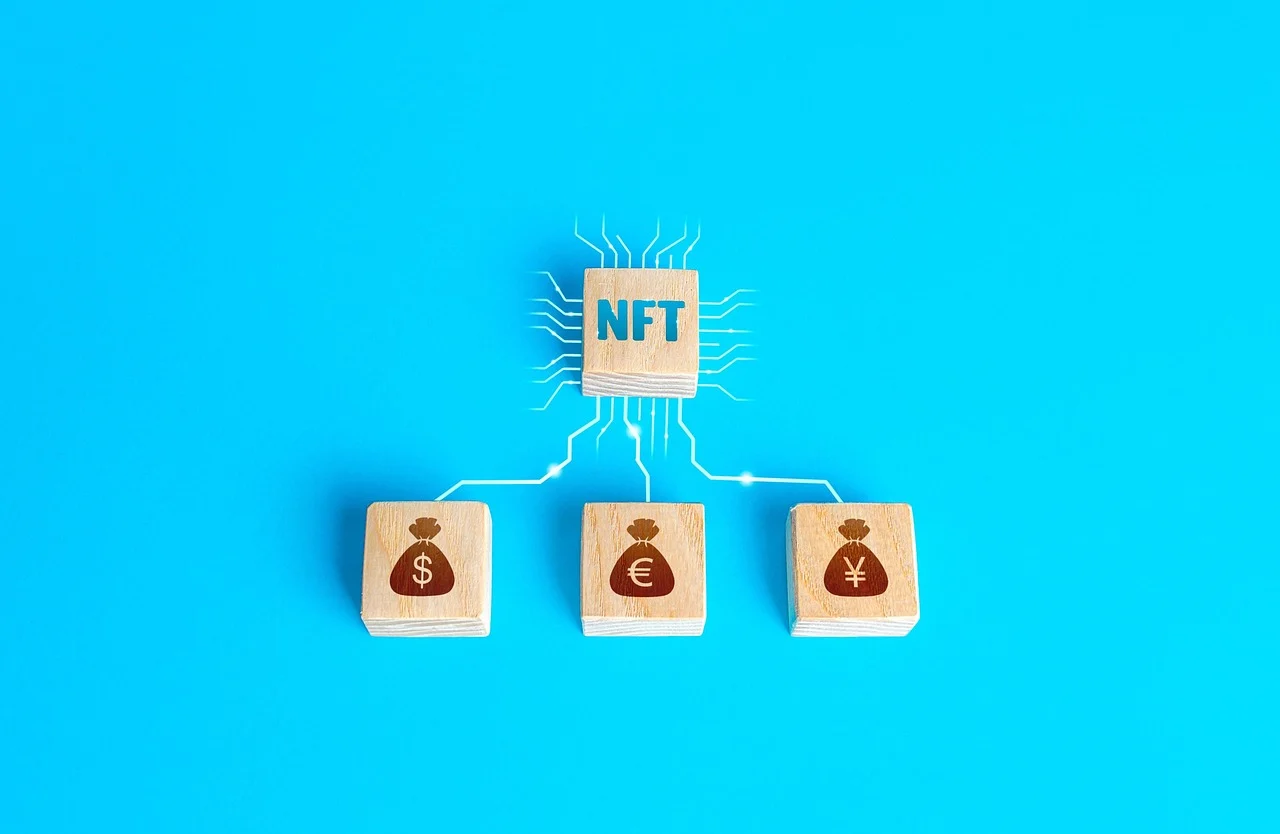
Tokenized Assets: The 2026 Institutional Guide is an important topic covered by Global Investment Reviews. The global architecture of wealth generation is undergoing a silent, tectonic shift as trillions of dollars in traditional instruments migrate toward decentralized ledgers, forever altering how institutional portfolios are structured, managed, and executed. For decades, the holy grail of portfolio management has been the seamless integration of alternative investments, private equity, and high-yield real estate without the crippling friction of settlement delays, fractionalization barriers, and counterparty risks. Today, this paradigm is materializing through the systemic digitization of value known as tokenized assets, which represent cryptographic representations of real-world or digital holdings issued and transacted on public or private distributed ledgers. As family offices, sovereign wealth funds, and tier-one asset managers increasingly demand operational efficiency and instantaneous settlement, the financial sector stands on the precipice of a multi-trillion-dollar liquidity supercycle. This comprehensive analysis examines the structural mechanics, macroeconomic implications, and strategic deployment of tokenized financial instruments within modern institutional mandates.
The Macroeconomic Catalyst Behind Real-World Asset Tokenization
The migration of physical and traditional financial instruments onto distributed ledger technology is no longer viewed as a speculative retail venture; rather, it represents a fundamental institutional evolution. The mechanics of real-world asset tokenization allow complex financial instruments—ranging from commercial real estate portfolios to fine art, private credit, and U.S. Treasury bills—to be divided into immutable, programmable digital tokens.
This transformation addresses structural inefficiencies that have plagued traditional capital markets for centuries. In legacy systems, clearing and settlement cycles often span days, tying up capital in collateral margins and introducing counterparty risk. By leveraging smart contracts, execution and settlement collapse into near-instantaneous atomic transactions. According to insights published by the International Monetary Fund, the digitization of private markets could unlock unprecedented economic productivity by reducing operational costs and democratizing access to high-yielding asset classes previously restricted to ultra-high-net-worth participants.
Furthermore, traditional alternative assets suffer from chronic illiquidity. Institutional investors frequently demand a liquidity discount when allocating capital to private equity or real estate funds because exiting a position before maturity is notoriously difficult. Tokenization introduces secondary market optionality, allowing investors to trade fractional stakes on compliant decentralized exchanges or alternative trading systems (ATS). This structural shift not only mitigates the duration risk traditionally associated with private market allocations but also redefines portfolio construction by introducing dynamic liquidity management.
Unlocking New Frontiers in Blockchain Liquidity
Liquidity is the lifeblood of global capital markets. Historically, liquidity has been siloed within distinct asset classes and geographical jurisdictions, creating friction and pricing inefficiencies. The integration of distributed ledger technology introduces a paradigm where blockchain liquidity bridges disparate financial ecosystems, enabling continuous trading and dynamic collateral rebalancing around the clock.
Institutional portfolios are increasingly constrained by the rigid operating hours of traditional stock exchanges and settlement clearinghouses. In contrast, tokenized financial ecosystems operate continuously, allowing capital to work uninterrupted. When an institutional investor requires immediate liquidity, they can leverage tokenized U.S. Treasury bills or commercial paper as collateral in decentralized finance (DeFi) protocols or institutional liquidity pools without liquidating the underlying asset.
This capability is particularly vital during periods of macroeconomic stress, where traditional repo markets may experience sudden liquidity crunches. As detailed in research provided by the Bank for International Settlements, the programmable nature of distributed ledger platforms allows for automated margin calls and instantaneous risk assessments, drastically reducing systemic contagion risks during volatile market episodes.
To better understand how these cryptographic instruments compare to traditional legacy equivalents across key operational metrics, review the institutional comparison matrix below:
| Evaluation Metric | Traditional Legacy Assets | Tokenized Equivalents |
|---|---|---|
| Settlement Speed | T+1 to T+3 business days | Instantaneous (Atomic Settlement) |
| Fractionalization Capability | High minimums, restrictive units | Infinitely granular, micro-fractional |
| Trading Availability | Standard exchange operating hours | 24/7/365 continuous market access |
| Counterparty Risk | Managed via central clearinghouses | Mitigated via immutable smart contracts |
| Administrative Overhead | High manual reconciliation costs | Automated via programmable logic |
The Acceleration of Institutional Crypto Adoption
For years, institutional participation in distributed ledger ecosystems was hindered by regulatory ambiguity, cybersecurity concerns, and a lack of institutional-grade custody solutions. However, recent years have marked a definitive turning point. The rapid acceleration of institutional crypto adoption is being driven by tier-one global custodian banks launching digital asset divisions, coupled with clearer regulatory frameworks established by major financial jurisdictions globally.
Financial institutions are no longer merely observing the ecosystem; they are actively building proprietary infrastructure. Major asset managers have successfully launched tokenized money market funds and short-term debt instruments, allowing clients to earn native yields while maintaining the ability to settle transactions instantaneously. This convergence of traditional finance (TradFi) and decentralized finance (DeFi) creates a robust financial hybrid that respects regulatory compliance while harnessing the technological efficiencies of public and permissioned ledgers.
As institutional capital flows into these digital structures, portfolio managers must adapt their risk management frameworks. Integrating digital instruments requires sophisticated key management, multi-signature governance structures, and strict adherence to anti-money laundering (AML) and know-your-customer (KYC) regulations. Leading institutions are increasingly utilizing enterprise-grade software to navigate these complexities, ensuring that compliance is hardcoded directly into the digital tokens via whitelist-enabled transfer restrictions.
Regulatory Landscapes and Compliance Protocols
Navigating the legal intricacies of distributed ledger instruments requires a sophisticated understanding of international securities laws, tax implications, and cross-border compliance. Because these instruments often represent legal claims on underlying physical or financial assets, they must comply with the regulatory mandates of every jurisdiction in which they are issued and traded.
Regulatory bodies worldwide have adopted varying stances, ranging from highly restrictive prohibitions to progressive sandbox environments designed to foster financial innovation. Successful issuance relies on embedding compliance directly into the token smart contract. This includes automated investor accreditation checks, geographic restrictions, and holding-period enforcement. By automating these compliance layers, issuers can drastically reduce administrative overhead while ensuring complete adherence to evolving global regulatory standards.
Conclusion and Strategic Outlook
The financial landscape is undergoing an irreversible evolution. As the infrastructure supporting digital finance matures, the boundary between traditional asset classes and cryptographic representations will continue to dissolve. For institutional investors and high-net-worth allocators, ignoring this technological shift is no longer a viable risk-management strategy. Embracing these advanced instruments offers a clear competitive advantage, characterized by enhanced operational efficiency, superior capital mobility, and access to previously unreachable alternative markets. By strategically incorporating these innovations into diversified portfolios, forward-thinking investors can secure a formidable position at the vanguard of the next great financial revolution.
What are tokenized assets and how do they work?
They are cryptographic representations of real-world or digital holdings issued on a distributed ledger. They utilize smart contracts to automate ownership rights, compliance, and transfers.
How does asset digitization improve portfolio liquidity?
By breaking down large, illiquid holdings into fractional units and enabling 24/7 trading on compliant secondary markets and alternative trading systems, investors can buy and sell positions much faster than traditional methods allow.
Are these cryptographic instruments legally compliant for institutional investors?
Yes. Institutional-grade issuances utilize programmable smart contracts that enforce regulatory requirements, such as KYC/AML verification, investor accreditation checks, and transfer restrictions, directly on the ledger.
What underlying assets are commonly digitized in modern finance?
Common examples include commercial real estate, private equity funds, fine art, commodities, corporate debt, and sovereign short-term instruments like U.S. Treasury bills.

About the Author: Iqbal Hossain
Iqbal is the Founder and Lead Strategist of Global Investment Reviews. As a Financial Analyst and Geopolitical Strategist with over 7 years of experience, he specializes in connecting global events with market trends to help investors make informed, long-term decisions.