
Dataset Comparison Tool
Compare two versions of a table using a key column and find added, removed or changed records.
Dataset Comparison Tool
Compare two versions of a table using a key column and find added, removed or changed records.
Differences
Use a stable identifier such as an order ID or product code. If the chosen key is missing or duplicated, the comparison can be ambiguous; resolve those records before interpreting differences.
These are practical analysis aids, not a substitute for checking source data, definitions, units, and sampling choices.
A practical note on Dataset Comparison Tool
The question worth answering: This page is most useful when you focus on comparing datasets only after aligning their grain. Checking two exports to understand why customer or transaction totals changed between periods. Start by recording the input source, the date or period covered, and any assumption you had to supply yourself. That makes the result easier to reproduce and helps another person understand what the output actually says.
How to use the result responsibly
Read the output alongside the inputs rather than as a stand-alone verdict. Change one assumption at a time and observe whether the conclusion changes materially. If the tool accepts a range, test more than one plausible case; if it accepts a file or pasted data, preserve an untouched copy of the original. Where the result will support a published claim or an important decision, keep a brief record of the method and source date.
A mistake specific to this kind of task
A row-count difference may come from changed filters, duplicate keys, late-arriving data or a different unit of observation. This is why the output should be described as an estimate, diagnostic or comparison where appropriate—not as a guarantee. Avoid mixing currencies, periods, definitions or data sources merely because their labels look similar.
Independent check before acting
Match date windows and unique keys first, then inspect added, removed and changed records separately. If the result conflicts with a statement, official record, provider terms or the original dataset, investigate the difference before relying on it. The tool is intended to make a task clearer, not to replace the source system or professional advice when the consequences are material.
Reader takeaway: Keep the assumptions visible, verify the underlying evidence and use this result as one part of a reasoned decision.
Related Resources
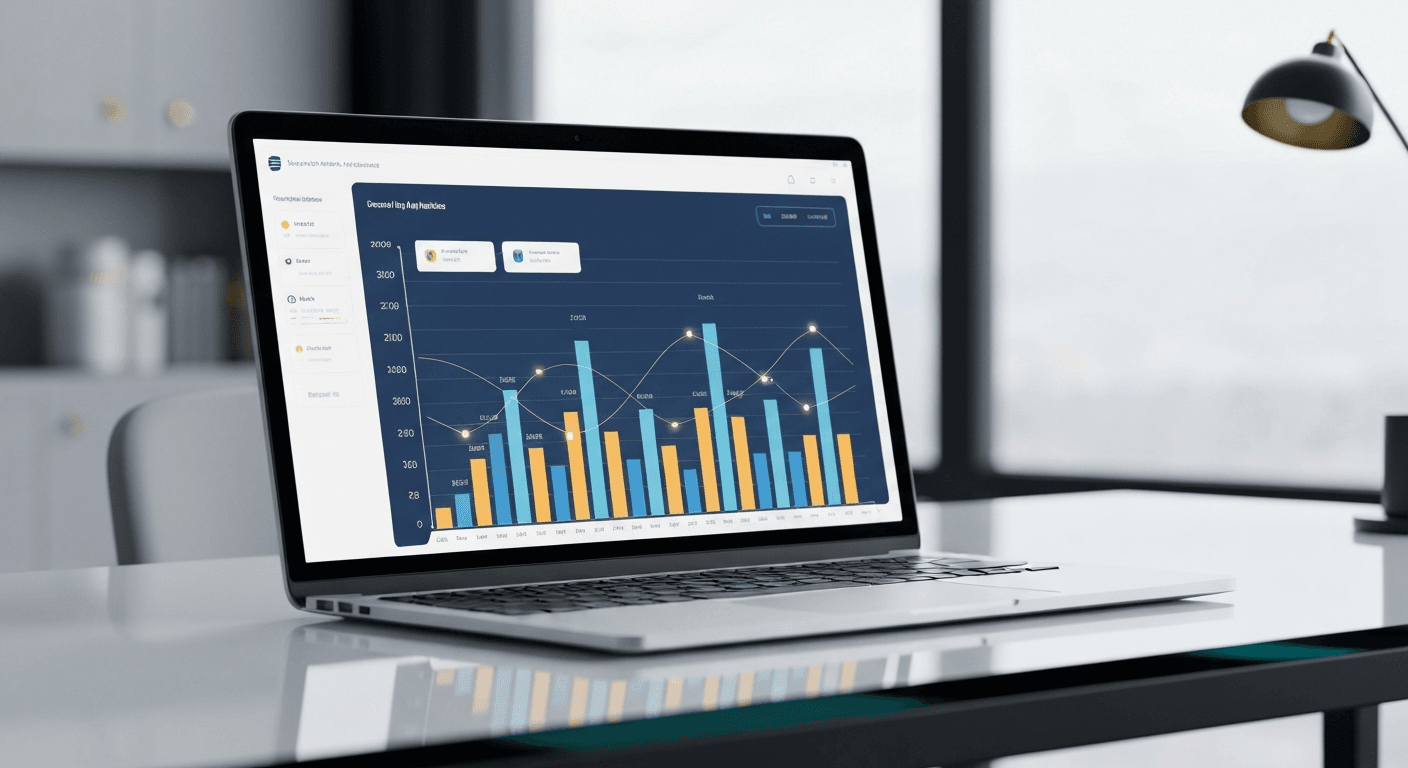
Loan Comparison Tool
Use our Loan Comparison tool to analyze offers side-by-side. Get instant visual charts, tabular data, and export CSV results for smarter financial planning.
Stock Comparison Workbench
Compare stocks with consistent valuation, profitability, and dividend inputs in a side-by-side research table.
CSV Column Mapper
Select, reorder and rename columns to prepare a consistent export for another workflow.